In a world where reliable power is less a luxury and more a necessity, your propane generator stands as a silent sentinel against outages. It's an investment in peace of mind, a promise of light and warmth when the grid goes dark. But like any vital piece of equipment, its longevity and dependability aren't guaranteed by the purchase alone. The true secret to ensuring your propane generator serves you faithfully for decades—often 20 to 30 years—lies in consistent, informed Maintenance & Extending the Life of Your Propane Generator.
Neglect, on the other hand, can halve that impressive lifespan, turning a long-term asset into a recurring headache. This isn't just about avoiding breakdowns; it's about optimizing fuel efficiency, lowering long-term repair costs, and securing your return on investment.
At a Glance: Key Steps to a Longer-Lasting Generator
- Start Smart: Choose the right size generator for your actual needs and invest in professional installation from day one.
- Manage Your Load: Utilize advanced load management systems to prevent overload and excessive wear.
- Maintain Relentlessly: Follow a rigorous schedule for oil, filters, batteries, and coolant, typically annually or every 150-200 hours.
- Test Under Load: Periodically run your generator with a significant load to keep components lubricated and functioning properly.
- Protect from Elements: Shield your unit from harsh weather and keep its surroundings clear for optimal airflow.
- Embrace Professionalism: Opt for expert diagnostics and use high-quality, manufacturer-approved replacement parts.
Beyond the Purchase: Why Your Generator's Lifespan is in Your Hands
A quality standby generator, particularly from a reputable brand like Generac (America’s #1 home standby generator), is engineered for endurance. With proper installation and diligent care, it can realistically provide reliable power for 20 to 30 years. That's a significant commitment and a testament to its potential. Yet, many generators fall far short of this mark, their lives cut tragically short by preventable issues.
Why does this happen? The difference between a generator that lasts a generation and one that falters prematurely often boils down to a few critical choices and habits.
The Cost of Complacency: Problems That Shorten Lifespan
Ignoring the fundamentals can create a cascade of problems, each chipping away at your generator’s health and reliability.
Mis-Sizing: Too Big, Too Small, Always Wrong
Getting the generator size wrong from the outset is a common and costly mistake. An oversized unit wastes fuel and leads to carbon buildup inside the engine, causing premature wear. Conversely, an undersized unit constantly struggles, overloading its components and overheating, which is equally detrimental to its lifespan. It's like buying shoes that are perpetually too big or too small – uncomfortable and damaging in the long run.
Shoddy Set-Up: The Foundation of Failure
Even the best generator can be crippled by poor installation. Improper wiring can create electrical hazards and stress components. Inadequate grounding and bonding undermine safety and operational integrity. Crucially, incorrect fuel supply integration or insufficient ventilation can lead to dangerous conditions and engine strain, reducing both performance and lifespan.
Overworked & Underappreciated: Load Imbalance and Overload
Your generator is designed to work, but not to be constantly pushed to its absolute limit. Running too many high-demand appliances simultaneously, especially without intelligent load management, causes excessive wear on the engine and alternator. It forces the system to work harder than intended, accelerating component fatigue and increasing the risk of failure.
The Silent Killer: Lack of Preventive Maintenance
This is arguably the most common culprit. Skipping routine oil changes, neglecting dirty air and fuel filters, or failing to test and replace batteries allows internal damage to accumulate unnoticed. These seemingly minor oversights pave the way for major breakdowns, reduced efficiency, and significantly shortened operational life.
Ignoring Smart Tech: Why Load Shedding Matters
Modern generators often come with advanced load shedding technology. This isn't a gimmick; it’s a crucial feature that automatically manages power demand by prioritizing essential circuits and temporarily shedding non-critical ones. Ignoring or not utilizing this technology means your generator works harder than necessary, unnecessarily straining the engine and consuming more fuel.
Building Longevity From the Ground Up: The Crucial First Steps
A long-lasting generator begins long before the first outage. It starts with thoughtful planning and strategic investments.
Choosing Wisely: Getting the Right Generator
The initial decision of which generator to install sets the stage for its entire operational life.
Calculating Your True Needs
Before you buy, calculate your total electrical load. Don't just guess. Work with a professional to identify critical circuits (lights, refrigeration, well pump, furnace) versus non-critical ones (central air, clothes dryer). This detailed assessment ensures you neither undersize nor oversize your unit.
Future-Proofing Your Power
Consider your future needs. Are you planning an addition? Will your family's power demands grow? Account for potential changes to avoid needing an upgrade or replacement prematurely.
Brand Reliability: An Investment, Not an Expense
Opt for established, reputable brands known for their durability and customer support. A quality generator is an investment that pays dividends in reliability and lifespan. Cutting corners here often leads to higher long-term costs.
The Professional Edge: Why Installation Isn't a DIY Job
While some home projects lend themselves to DIY, standby generator installation is not one of them. Professional installation is paramount for safety, performance, and longevity.
Wiring, Grounding, and Fuel: Non-Negotiables
Expert installers ensure correct electrical connections, safe grounding, and proper bonding, all of which are critical for preventing component stress and electrical hazards. They also integrate the fuel supply (propane lines) safely and according to code, a step too complex and dangerous for the average homeowner.
Ventilation and Clearance: Breathing Room for Power
Proper ventilation prevents overheating, a leading cause of premature wear. Professionals understand the specific clearance requirements around the generator to ensure adequate airflow and compliance with local building codes. This attention to detail protects the unit and prevents hazards.
Smart Power Management: Harnessing Load Shedding Technology
Advanced load management systems are game-changers for generator longevity. They proactively protect your investment.
Prioritizing Essential Circuits
These systems automatically monitor power usage and, when demand exceeds capacity, intelligently shed non-essential circuits. This means your refrigerator stays cold and your furnace stays running, even if the guest bathroom light briefly goes out.
Easing the Engine's Burden
By preventing overload, load shedding significantly reduces engine strain, lowers fuel consumption, and improves voltage stability. This not only extends the life of the engine and alternator but also ensures a smoother, more reliable power supply during an outage.
The Heartbeat of Longevity: Your Ongoing Maintenance Regimen
Once installed, your generator needs consistent, proactive care to achieve its maximum lifespan. This isn't just about fixing things when they break; it's about preventing them from breaking in the first place.
Consistent Care: The Cornerstone of Reliability
A rigorous maintenance schedule, outlined in your owner’s manual, is non-negotiable. Most standby generators require servicing at least annually or every 150-200 hours of operation, whichever comes first.
The Annual Check-Up (or 150-200 Hour Cycle): Oil and Filters
Engine oil lubricates critical moving parts, and like in a car, it degrades over time and with use. Changing the oil and oil filter every 150–200 hours of operation (or annually) prevents engine damage and maintains efficiency. This removes contaminants and ensures optimal lubrication, a foundational step in preserving engine health.
Powering Up: Battery Health and Replacement
The battery is your generator's starting point. Inspect terminals regularly for corrosion, ensure the battery is fully charged, and replace it every 2–3 years or as needed. A weak battery can prevent your generator from starting when you need it most, putting undue stress on the starter motor.
Keeping Cool: The Coolant System
Overheating is a generator's enemy. Maintain coolant levels, and inspect radiators and hoses for leaks or damage. A properly functioning cooling system prevents excessive engine temperatures, which can quickly lead to costly repairs and significantly shorten lifespan.
Breathing Easy: Air and Fuel Filters
Clean air is vital for efficient combustion. Clean or replace air filters to prevent clogging and engine strain. Similarly, while propane itself is a clean-burning fuel, the fuel system can still accumulate debris. Inspect and clean/replace fuel filters to ensure a consistent, clean fuel supply to the engine.
The Propane Pulse: Fuel System Integrity
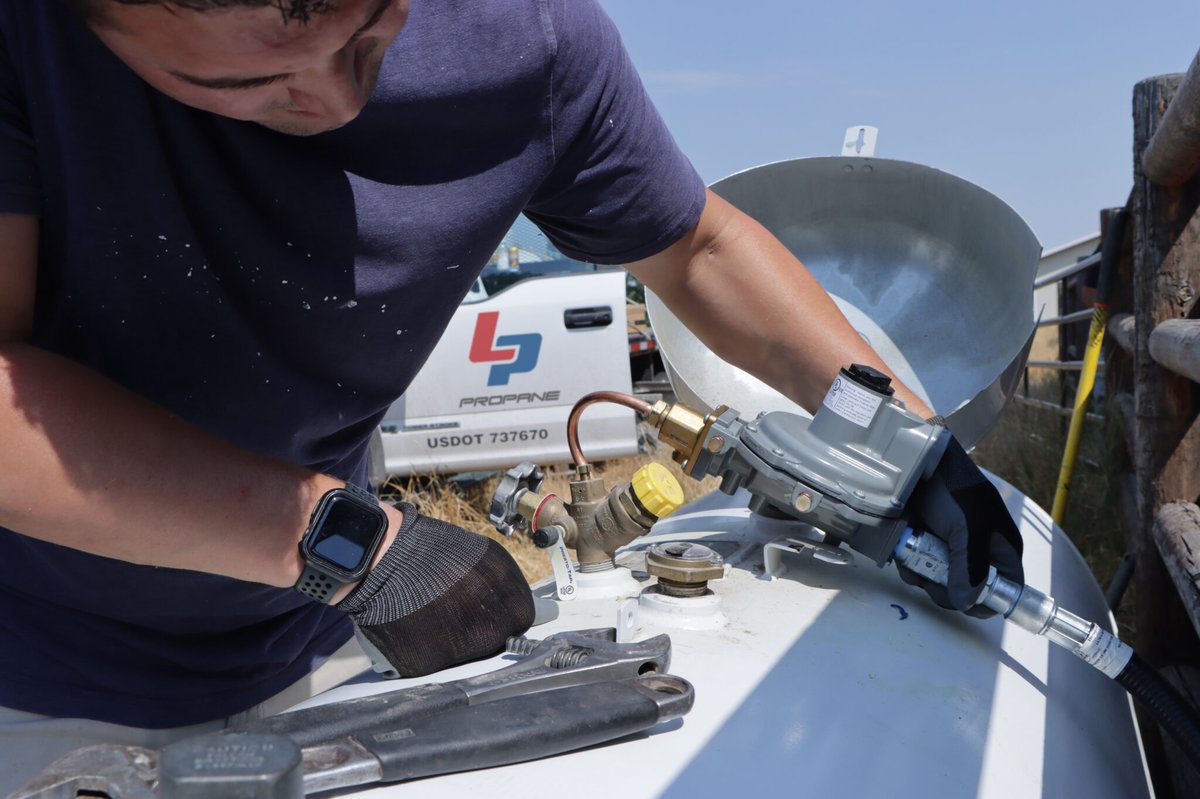
For propane generators, maintenance shifts from fuel storage degradation (like gasoline) to the integrity of the delivery system. Regularly inspect propane lines and connections for leaks (a soapy water test is simple and effective). Ensure your propane tank is properly secured and maintained. Consistent use during exercise cycles helps keep the system active and free of blockages.
Putting it to the Test: Running Under Load
Scheduled exercise cycles are standard for standby generators, but periodically running the generator under a real load is even more beneficial.
Simulating Reality for Peak Performance
Testing your generator under actual load conditions (turning off utility power and letting the generator power your home for an hour or two) simulates a true outage. This ensures proper voltage and frequency regulation, confirms healthy alternator performance, and verifies reliable transfer switch operation.
Preventing "Wet Stacking"
While more commonly associated with diesel generators, running any generator under light or no load for extended periods can lead to incomplete combustion. Periodically loading the generator helps burn off any uncombusted fuel residues, keeping engine components clean and efficient.
Monitoring and Early Detection
Consistent monitoring, either through built-in diagnostics or professional inspections, helps catch minor issues before they escalate. Early detection can save you significant repair costs and extend your generator’s life.
Shielding Your Investment: Protection From the Elements
Your generator is designed to live outdoors, but that doesn't mean it's impervious to the elements. Protecting it physically is a key part of extending its life.
Beyond a Roof: Weatherproof Enclosures
Most standby propane generators come with sturdy enclosures. Ensure these are in good condition, free of cracks or damage that could allow moisture in. If not already present, consider a custom, weatherproof enclosure that allows for proper ventilation while shielding the unit from rain, snow, and extreme temperatures.
Cleanliness is Next to Power-fullness: Exterior Care
Regularly clean the exterior to remove leaves, dirt, and other debris. Dust and grime can accumulate, impede airflow, and even corrode components over time. A clean generator isn't just aesthetically pleasing; it's a sign of good maintenance.
Clear the Air: Keeping the Surroundings Unobstructed
Maintain clear spacing around the generator. Trim back shrubs, remove tall grass, and ensure no items are leaning against the unit. This not only allows for proper airflow (preventing overheating) but also helps reduce moisture buildup and deters pests from nesting inside the enclosure.
The Smart Choice: Why Professional Service Pays Dividends
While some basic checks can be done by homeowners, the complex nature of a standby generator warrants professional attention. The lifespan data tells a compelling story about the value of expert care:
DIY vs. Pro: A Stark Lifespan Contrast
- DIY Maintenance: Low upfront cost, but a very high long-term cost due to frequent breakdowns and reduced lifespan (typically 8–12 years). Reliability is often questionable.
- Basic Installation Only: Medium upfront cost, high long-term cost. Moderate reliability, with a lifespan generally around 10–15 years.
- Professional Installation + Load Shedding: Medium-high upfront cost, but significantly lower long-term costs. High reliability, extending lifespan to 20–30 years.
- Complete Generator Care From Start To Finish: Optimized upfront cost, the lowest long-term cost, and maximum reliability, often pushing lifespan to 25–30+ years.
The message is clear: professional involvement dramatically improves longevity and reliability.
The Expertise Advantage: Diagnostics and Repairs
Professional technicians offer detailed inspections, advanced diagnostics, and specialized tools that go beyond what a homeowner can typically provide. They can identify subtle issues before they become major problems, ensuring complex repairs are handled correctly and safely.
Quality Matters: Insisting on OEM Parts
When components need replacement, always insist on high-quality, manufacturer-approved (OEM) parts. Inferior or generic parts may seem cheaper upfront, but they often lead to early failures, compromising the generator's overall reliability and lifespan.
Addressing Your Generator Questions
Let's tackle some common queries about propane generator care.
"How often should I run my propane generator?"
Most standby generators have an automatic exercise cycle, typically once a week or every two weeks, running for 10-20 minutes. This is crucial for keeping components lubricated and ensuring the system is ready. Beyond this, consider manually running it under a heavier load (as discussed above) every few months for an hour or so.
"Can I use automotive oil in my generator?"
Always consult your owner's manual for specific oil requirements. While some small portable generators might tolerate automotive oil, most standby generators require specific types and weights formulated for their operating conditions. Using the wrong oil can void warranties and cause engine damage.
"What's the biggest mistake people make?"
Hands down, neglecting preventive maintenance. People often assume their standby generator will just work when needed, forgetting it's an engine with moving parts that require care. The "out of sight, out of mind" mentality is a generator's worst enemy.
"Is a propane generator really better than gasoline for standby?"
For standby power, propane offers several distinct advantages: it stores indefinitely without degradation, burns cleaner (less carbon buildup), and is typically supplied via a large, permanent tank, eliminating the need for frequent refueling during an outage. This contrasts with gasoline, which degrades quickly and requires dangerous, bulky storage. If you're considering your options, explore portable propane generators to understand the nuances and benefits of this versatile fuel.
Your Path to Uninterrupted Power
Your propane generator is more than just a machine; it's a critical component of your home's resilience. By making smart choices from the initial purchase and installation, embracing intelligent load management, and committing to a consistent, professional maintenance schedule, you're not just maintaining equipment—you're securing continuous peace of mind.
Invest in its care, and your generator will repay you with decades of reliable performance, standing ready whenever the lights go out.