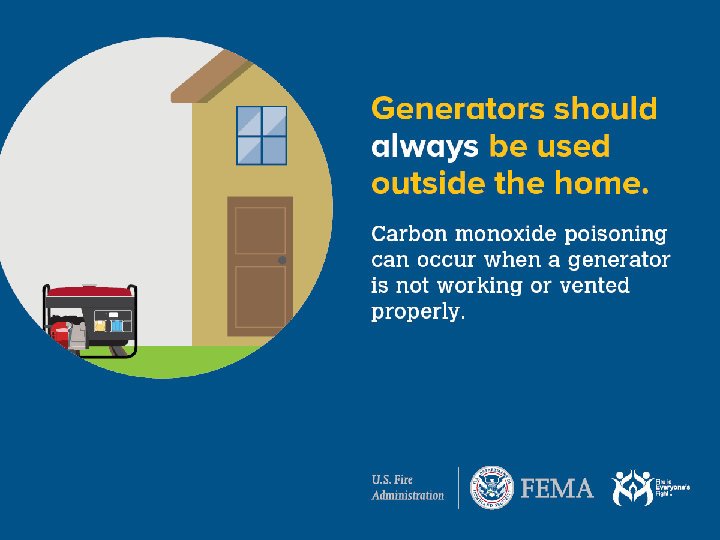
Portable propane generators offer a lifeline during power outages, providing essential electricity for homes, job sites, and recreation. Their increasing affordability, portability, and improved efficiency make them incredibly popular. Yet, this convenience often overshadows a critical truth: operating a portable propane generator without strict adherence to Portable Propane Generator Safety Guidelines can lead to deadly risks, including carbon monoxide (CO) poisoning, electrocution, and fire. The U.S. Consumer Product Safety Agency (CPSC) frequently highlights the severe danger, particularly from CO.
Ignoring safety protocols isn't just risky; it's a gamble with your life and the lives of those around you. This guide will walk you through every critical step, transforming you from a casual user into a safety-conscious operator, ensuring your power source remains a benefit, not a hazard.
At a Glance: Your Quick Safety Checklist
- Read the Manual: Always, no exceptions.
- Go Outdoors: Operate at least 15-20 feet from any opening.
- Detect CO: Install carbon monoxide alarms on every level of your home.
- Fuel Safely: Shut off and cool before switching propane tanks.
- Heavy-Duty Cords: Use outdoor-rated, appropriately sized extension cords.
- NEVER Backfeed: Don't plug into a home outlet; use a transfer switch.
- Load Management: Don't overload the generator's capacity.
- Keep Clear: Maintain at least five feet from flammable materials.
Unmasking the Silent Killers: Understanding Generator Dangers
Before we dive into solutions, let's confront the core hazards. Portable generators, while indispensable, are powerful machines producing more than just electricity. They generate significant heat, exhaust fumes, and substantial electrical current, each presenting a distinct danger.
Carbon Monoxide: The Invisible Assassin
This is by far the most insidious threat. Carbon monoxide (CO) is an odorless, colorless gas present in generator exhaust. When inhaled, it replaces oxygen in your blood, rapidly leading to headache, dizziness, nausea, unconsciousness, and death—often before you even realize something is wrong. The CPSC consistently reports CO poisoning as a leading cause of generator-related fatalities. Operating a generator indoors or too close to openings means inviting this deadly gas into your space.
Electrical Shock and Electrocution
Working with electricity always carries risk. Improper connections, damaged cords, or operating a generator in wet conditions can lead to severe electrical shocks or even electrocution. The danger extends beyond the operator; incorrectly connecting a generator to your home's electrical system can send high-voltage power back into the utility grid, endangering utility workers and neighbors alike. This practice, known as "backfeeding," is extremely hazardous and illegal.
Fire Hazards from Heat and Fuel
Generators run hot—very hot. Engine components can reach hundreds of degrees Fahrenheit. Combine this with flammable fuel (even propane tanks can pose a risk if improperly handled or if there's a leak near a spark) and you have a recipe for disaster. Spilled fuel igniting on hot surfaces or placing a hot generator too close to combustible materials are common causes of generator-related fires.
Damage from Overloading or Improper Connections
Beyond the immediate safety risks, mismanaging your generator can lead to expensive repairs or even permanent damage. Overloading the unit by drawing more power than it can supply can burn out circuits or damage the engine. Improper electrical connections can also short out appliances or the generator itself, leading to costly replacements.
The First Line of Defense: Your Owner's Manual
It might sound obvious, but this is the single most overlooked and crucial step in generator safety. Every generator is designed with specific operational parameters, safety features, and maintenance schedules.
Your Action: Always read the owner's manual thoroughly before operating your generator for the first time, and keep it accessible for future reference. It contains critical information about your specific model's setup, fuel requirements, electrical output, and safety warnings that supersede generic advice. Think of it as your generator's instruction book from the people who built it.
The Outdoor Imperative: Where to Place Your Generator
This is non-negotiable: portable generators must only be operated outdoors. This single rule is paramount for preventing carbon monoxide poisoning.
Keep Your Distance
Position your generator at least 15-20 feet away from doors, windows, vents, and any other openings into your home, garage, or any occupied structure. The exhaust must be pointed away from these openings. Wind can carry CO surprisingly far, so maintaining a generous buffer zone is essential. A slight breeze might seem harmless, but it can direct invisible fumes right into your living space.
Stable and Secure Placement
Place the generator on a stable, level surface where it won't vibrate excessively or tip over. Ensure the area is dry and won't flood, as operating a generator in standing water creates an immediate electrocution risk. Also, consider securing your generator against theft, especially if it will be running unattended for extended periods.
Protecting Your Power Source: Open-Sided Shelters
What about rain or snow? You can protect your generator from the elements using an open-sided shelter. This type of cover prevents water damage, short circuits, and corrosion while still allowing for proper ventilation and heat dissipation. Critically, never use tarps or fully enclosed spaces (like a garage, shed, or under a porch awning that blocks airflow) as these will trap deadly CO and create a fire hazard from heat buildup. Airflow is your friend.
Early Warning System: Carbon Monoxide Detectors
Even with perfect outdoor placement, CO can still find its way inside, especially in emergencies where structures might be compromised. Installing battery-operated carbon monoxide detectors on every level of your home, and specifically outside sleeping areas, provides an indispensable layer of protection. Test them regularly, just like your smoke detectors. These devices are your final line of defense against the silent killer.
Powering Up: Fueling Your Propane Generator Safely
Propane generators offer some advantages over gasoline, primarily eliminating the need to store volatile liquid fuel. However, safety protocols around fueling are still crucial.
Shut Down Before Switching Tanks
Unlike gasoline generators where you refuel the unit itself, propane generators connect to external tanks. Always shut off your generator and allow it to cool for at least 30 minutes before switching out an empty propane tank for a full one. This cooling period is vital because a leak or spill (though less likely with propane than gasoline) near a hot engine part could lead to a flash fire. Double-check all connections to ensure they are tight and leak-free before restarting.
Proper Fuel Storage
Even though the generator runs on propane, you're still storing the fuel. Keep propane tanks upright, in a well-ventilated outdoor area, away from direct sunlight, heat sources, and any ignition sources. Never store propane tanks indoors or in enclosed spaces.
Long-Term Generator Storage
If you anticipate storing your generator for an extended period, consult your owner's manual for specific instructions. Generally, it’s good practice to disconnect the propane tank and run the generator until any residual fuel in the lines is consumed. This prevents potential issues with fuel degradation over time.
Navigating the Grid: Essential Electrical Safety
Connecting your generator to power your devices or home requires careful electrical practices to prevent shock, fire, and damage.
The Right Cords for the Job: Heavy-Duty Extension Cords
When plugging appliances directly into your generator, use only heavy-duty, outdoor-rated extension cords. These cords are designed to safely carry the electrical load and voltage without overheating, which can lead to fires or damage to your appliances and generator.
- Gauge Matters: Ensure the cord's gauge (thickness) is appropriate for the wattage you're carrying and the length of the cord. Thicker cords (lower gauge number) can handle more power.
- Capacity Check: Confirm the total wattage of all devices connected to a single cord does not exceed the cord's rating or the generator's output.
- Keep Dry: Always keep extension cords out of puddles and standing water. Never operate the generator or stand in water while making electrical connections.
- Inspect Regularly: Before each use, inspect cords for cuts, fraying, or damaged insulation. Replace any damaged cords immediately.
The Deadly Danger of Backfeeding: A Strict Prohibition
This cannot be stressed enough: NEVER connect a portable generator directly to your home's electrical panel by plugging it into a wall outlet. This dangerous practice, known as "backfeeding," is illegal in many places and poses catastrophic risks:
- Electrocution Hazard: Backfeeding sends high-voltage electricity (potentially 4,000 to 50,000 volts) back into the utility lines. This can electrocute utility workers who are trying to restore power, believing the lines are dead.
- Fire and Property Damage: It can overload your home's electrical system, causing fires and extensive property damage.
- Insurance and Liability: Such actions can lead to insurance claim denials and user liability for any resulting damages or injuries.
- "Suicide Cords": These are homemade cords with male plugs on both ends, explicitly designed for backfeeding. They are incredibly dangerous and should never be used.
The Safe Solution: A Manual Transfer Switch
To safely power your home's circuits with a portable generator, you must install a manual transfer switch. This device is permanently wired into your home's electrical panel and provides a secure, code-compliant way to connect your generator.
- How it Works: A manual transfer switch isolates your home from the utility lines, preventing any electricity from flowing back into the grid. It allows you to select which specific circuits (e.g., refrigerator, specific lights, furnace fan) the generator will power.
- Professional Installation: Always have a licensed electrician install a manual transfer switch. This is not a DIY project.
- Operation with a Transfer Switch:
- Plug your generator's power cord into the exterior inlet box connected to the transfer switch.
- Start the generator and let it warm up for a few minutes.
- Go to your transfer switch. Turn off all the individual appliance circuits that are connected to the transfer switch.
- Move the main transfer switch lever from "Line" (utility power) to "Generator."
- Now, turn on your desired appliance circuits one at a time, allowing a few seconds between each to prevent surges and monitor the load.
Grounding Considerations
A grounding rod helps dissipate fault currents, protecting against electrical surges and shocks.
- Direct Connection: If you're simply plugging appliances directly into your generator's GFCI outlets using extension cords, a separate grounding rod is generally not needed. The generator's frame and internal grounding (often via GFCI outlets) provide adequate protection.
- Home Circuits: If you're connecting your generator to your home's electrical system via a transfer switch, the need for an external grounding rod can become more complex. Generators with a "floating neutral" or those used with a neutral-switching manual transfer switch typically require a grounding rod.
- Consult Experts: Always consult your generator manual, a licensed electrician, and local building officials to determine the specific grounding requirements for your setup. Local codes and generator design can vary.
Keeping it Running: Safe Operation Procedures
Once your generator is safely placed and connected, careful operation ensures its longevity and your safety.
Starting Strong: The "No-Load" Principle
Before connecting any devices, start your generator and let it run for a few minutes at a "no-load" condition. This allows the engine to warm up, stabilize, and prevents power surges to your appliances. Think of it as letting your car engine idle briefly before driving.
Smart Shutdown: Disconnect, Then Power Down
To shut off your generator, reverse the startup process:
- Disconnect all devices or switch off all circuits on your transfer switch.
- Let the generator run for a few minutes with no load to cool down the engine.
- Turn off the generator's engine.
- Disconnect the generator's power cord and propane tank.
This sequence helps prevent damage to your generator and connected electronics.
Rest Periods for Longevity
Most manufacturers recommend allowing the generator to rest for at least 30 minutes after every 24 hours of continuous use. This brief cool-down period helps prevent excessive wear from heat buildup and extends the life of your unit. Always check your specific owner's manual for recommended rest intervals. To delve deeper into how these machines work, you might want to learn about portable propane generators in more detail.
Avoiding the Dreaded Overload
Never exceed your generator's wattage capacity. Overloading can damage the generator, connected appliances, and create fire hazards.
- Signs of Overloading: Dimming lights, appliances shutting off unexpectedly, or a noticeably strained or louder generator engine are all red flags.
- Map Your Needs: Before an outage, calculate the starting (surge) and running watts of the essential appliances you plan to power. This helps you select a generator of appropriate size and avoid exceeding its limits. Prioritize critical items like refrigerators, medical devices, and a few lights.
- Reduce the Load: If you suspect an overload, immediately disconnect some devices to reduce the demand on the generator.
Taming the Heat: Preventing Generator Fires
We've mentioned heat as a hazard, but it bears repeating with specific actions.
Generators produce immense heat during operation—exhaust components can reach hundreds of degrees Fahrenheit. This heat can melt or ignite nearby flammable items.
- Safe Clearance: Maintain at least five feet of clearance around your generator from all flammable items or structures. This includes plastic siding, wooden fences, shrubbery, tarps, gasoline cans, and anything else that could melt, scorch, or catch fire.
- Clear the Area: Ensure the operating area is free of dry leaves, grass, or any other debris that could ignite from contact with a hot muffler or engine.
Beyond Portable: Considering Standby Generators
While this guide focuses on portable propane generator safety, it's worth noting an alternative for those seeking maximum convenience and safety for home backup power: standby generators.
These units are:
- Fully Automatic: They detect power outages and start automatically.
- Fuel-Efficient: Often operate on natural gas or larger propane tanks, eliminating the need for frequent refueling.
- Automatic Transfer: Include an automatic transfer switch, ensuring safe isolation from utility lines without user intervention.
- Weather-Resistant: Designed to operate safely in all weather conditions, removing concerns about rain or snow.
Standby generators offer a "set it and forget it" solution, though at a higher initial cost, and may be a worthwhile consideration for permanent home backup.
Your Action Plan: Empowering Safe Power
Operating a portable propane generator can be a safe and efficient way to power your life during an outage, but only if you approach it with knowledge and respect for its inherent risks.
- Prioritize CO Safety: Always operate outdoors, far from openings, and with CO detectors inside.
- Electrify Responsibly: Use proper cords, never backfeed, and install a transfer switch for home power.
- Fuel and Operate with Care: Follow all manual instructions for fueling, starting, running, and shutting down.
- Stay Vigilant: Regularly inspect your generator, cords, and safety devices.
By integrating these guidelines into your generator usage, you're not just following rules; you're safeguarding your home, your family, and your peace of mind. Powering through an outage should never mean putting your life at risk.