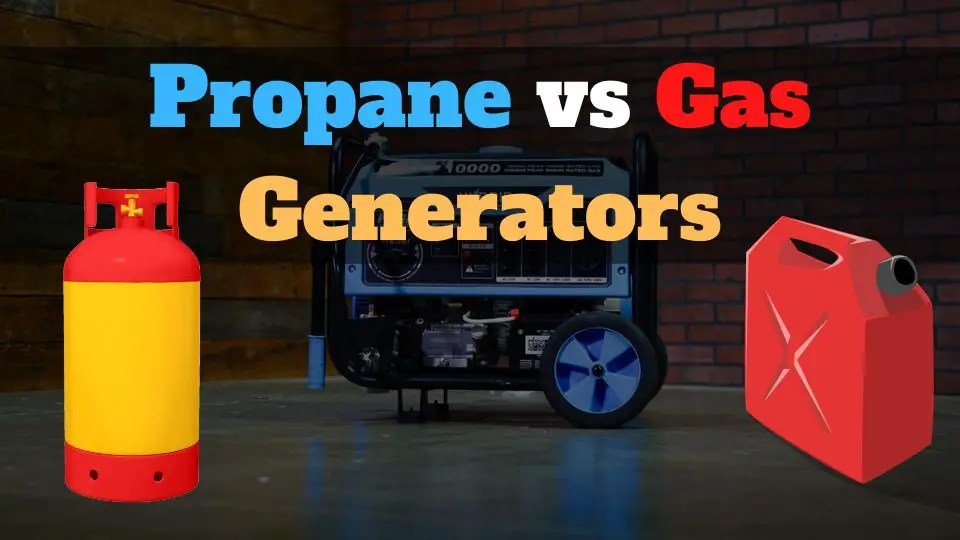
When the lights go out, or adventure calls you far from the grid, a reliable power source isn't just a convenience—it's a necessity. For many, understanding portable propane generators is the key to unlocking consistent, cleaner backup power, whether you're weathering a storm at home, setting up camp in the wilderness, or working on a remote construction site. These versatile machines convert the chemical energy of propane into ready-to-use electricity, offering a robust alternative to traditional gasoline-powered units.
But what makes propane generators so compelling, and how do you choose the right one for your specific needs? We're diving deep into everything you need to know, from how these powerhouses work to essential safety practices and maintenance tips that will keep your generator humming for years to come.
At a Glance: Your Portable Propane Generator Essentials
- Cleaner Choice: Propane burns cleaner than gasoline, reducing emissions and extending engine life.
- Reliable Fuel: Propane doesn't degrade, offering stable, long-term fuel storage for emergencies.
- Inverter Advantage: Look for inverter models for quiet operation, fuel efficiency, and safe power for sensitive electronics.
- Size Matters: Accurately calculate your wattage needs to match your generator's capacity and avoid overloading.
- Safety First: Always operate outdoors, maintain proper ventilation, and use a carbon monoxide detector.
- Easy Maintenance: Regular oil changes and fuel system checks are key to longevity.
Why Propane? The Unsung Hero of Portable Power
You've got options when it comes to portable generators, but propane stands out for several compelling reasons, particularly for those prioritizing sustainability and reliability. Think of it as the quiet achiever in the world of portable power.
Here’s why propane generators are gaining serious traction:
- Environmentally Friendlier Footprint: Compared to their gasoline counterparts, propane generators produce significantly lower emissions. This means a smaller environmental impact and a cleaner conscience when you're running your essential appliances. It's a tangible step towards a more sustainable way to power your life, especially if you're exploring various off-grid power solutions.
- A Clean-Burning Champion: Propane burns with remarkable cleanliness. Unlike gasoline, it doesn't leave behind gummy residues or varnish that can clog fuel lines and carburettors. This translates directly to reduced maintenance headaches, fewer breakdowns, and a noticeably prolonged engine lifespan for your generator.
- Fuel That Lasts: Imagine stashing fuel for an emergency, only for it to degrade and become unusable when you need it most. That's a common concern with gasoline. Propane, however, boasts an exceptional shelf life; it doesn't degrade over time, ensuring that when an emergency strikes, your fuel supply is as ready as you are.
- Safer, Simpler Handling: Propane is less volatile than gasoline, making it inherently safer to handle, transport, and store. You're dealing with a sealed tank, reducing the risks of spills or vapours that are common with liquid fuels.
- Master of the Cold: Ever tried starting a gasoline engine in freezing temperatures? It can be a real struggle. Propane, with its incredibly low freezing point of -306°F, is generally a much better performer in cold climates, offering more reliable starts when the mercury drops.
Decoding Generator Mechanics: How They Spark to Life
At its core, a portable generator is a marvel of engineering that turns fuel into usable electricity. Most generators (with the exception of solar-powered units) follow a similar principle: a fueled mechanical motor ignites fuel, creating mechanical energy. This energy then powers an alternator, which is the component responsible for converting that mechanical movement into the electrical energy that flows out of your generator's outlet panel.
It's a straightforward process, but modern advancements have introduced key distinctions, most notably in how that electricity is delivered.
The Inverter Advantage: Smooth, Stable Power
Enter the inverter generator – a game-changer for anyone powering sensitive electronics. Unlike conventional generators that produce raw, "dirty" power, inverter generators incorporate an inverter block. This sophisticated component regulates the electrical current, smoothing out voltage fluctuations and preventing the electrical spikes that can wreak havoc on your valuable devices like laptops, smartphones, and even modern refrigerators.
But the benefits don't stop at clean power. Inverter generators are also:
- Whisper-Quiet: They're generally much quieter than traditional models because they don't constantly run at full throttle. Their engine RPMs adjust to match the power draw, only working as hard as needed.
- Fuel-Efficient: By only running at the necessary speed, they consume less fuel, significantly extending runtime, especially at lower loads.
- Portable Powerhouses (Often): While they typically produce less overall power individually, their compact size and quieter operation make them ideal for camping, tailgating, and other recreational uses. Many models can even be run in parallel, combining the output of two units for higher power needs, allowing you to scale up without sacrificing the advantages of inverter technology. If you're looking for more detail, check out our in-depth guide to inverter generators.
Fuel Face-Off: Propane vs. the Alternatives
Choosing a generator often begins with a fundamental decision: what kind of fuel will power it? Each fuel type brings its own set of advantages and disadvantages, influencing everything from cost and convenience to environmental impact and maintenance. Let's stack up propane against the other major players.
Gasoline Generators
- Pros: Gasoline is the most common fuel globally, meaning gasoline generators and parts are widely available. The fuel itself is generally less expensive per gallon, and compact refueling at gas stations is highly convenient. Many gasoline generators also have a lower initial purchase price.
- Cons: Gasoline degrades over time, making it unsuitable for long-term storage without stabilizers. It burns less cleanly, leading to residue buildup that requires more maintenance. Cold weather starting can be difficult, and during widespread emergencies, gasoline availability can become a significant issue.
Propane (LPG) Generators
- Pros: As we've discussed, propane is the second most popular choice for good reason: excellent fuel shelf-life, cleaner burning for extended engine life, easier refueling through tank swaps, and superior cold-weather performance. It produces fewer carbon deposits, benefiting both the environment and your generator.
- Cons: Propane requires external tanks, which means more equipment to store and transport, potentially reducing overall portability. The fuel itself can be slightly more expensive per gallon than gasoline, and tanks need secure storage due to high pressure.
Diesel Generators
- Pros: Diesel generators are renowned for their extreme durability and reliability, often lasting for decades. They are highly fuel-efficient and can run for extended periods on a single tank, making them ideal for heavy-duty, long-duration applications.
- Cons: These units are typically bulkier and heavier, making them less portable. They produce significant exhaust fumes and a strong, often unpleasant, smell, requiring excellent ventilation. Spilled diesel can leave residue, and the fuel system can be sensitive to humid environments, leading to corrosion.
Solar Generators (Battery Power Stations)
- Pros: Representing the newest wave of portable power, solar generators use renewable energy, eliminating fuel costs and trips to the gas station. They operate silently, produce zero emissions, are very lightweight, and can be used in quiet zones where internal combustion engines are prohibited.
- Cons: Power output is limited by battery capacity, and charging times can be lengthy and dependent on sunlight. The initial cost can be significantly higher than a conventional generator, sometimes up to ten times that of a gasoline equivalent for comparable service. Higher capacities also require considerable space for solar panels.
Dual Fuel Generators
- Pros: Offering the best of both worlds, dual fuel generators provide incredible flexibility, allowing you to switch between gasoline and propane based on availability, cost, or convenience. This versatility combines many benefits of both fuel types.
- Cons: You'll typically pay a higher initial cost, often $150-$200 more than a single-fuel model. They can also be slightly heavier due to the additional components required for both fuel systems. More overall maintenance is needed, and the power output may vary slightly depending on the fuel type being used.
Finding Your Perfect Match: Sizing Up Your Power Needs
Choosing the right generator isn't about picking the biggest or most expensive unit; it's about accurately matching its power output to your specific needs. An undersized generator will leave you frustrated, while an oversized one is an unnecessary expense. This step-by-step approach will help you determine exactly what you need.
- List Your Essentials: Begin by making a comprehensive list of all the appliances and devices you plan to power simultaneously. Think about everything from your refrigerator and lights to your laptop and phone chargers.
- Uncover Wattage Requirements: For each item on your list, find its starting (surge) wattage and running (rated) wattage. Starting wattage is the brief, initial power spike required when a motor-driven appliance (like a refrigerator or air conditioner) first kicks on, which can be double or more than its running wattage. Running wattage is the continuous power it needs to operate. This information is usually found on a label on the appliance itself or in its owner's manual.
- Calculate Total Starting Watts: This is crucial. Identify the single appliance with the highest starting wattage. Add this highest starting wattage to the running watts of all other devices you plan to use at the same time. This total represents the maximum momentary power spike your generator needs to handle.
- Calculate Total Running Watts: Simply add up the running watts of all the devices you plan to use simultaneously. This will be your generator's continuous power requirement.
- Match Generator Output: Look for a generator whose surge wattage capacity meets or exceeds your calculated total starting watts, and whose rated wattage capacity meets or exceeds your calculated total running watts. Always give yourself a little buffer, perhaps an extra 10-20%, for safety and future needs. If you need help with this step, our detailed generator wattage calculator can walk you through it.
- Consider Environmental Factors: Altitude and extreme temperatures can affect a generator's performance, potentially reducing its effective power output. If you plan to operate your generator at high altitudes or in very hot conditions, you might need to size up slightly.
- Assess Portability and Noise: For activities like camping or tailgating, a lightweight design and quiet operation are paramount. Inverter generators are typically excellent choices here, offering a balance of power and peace. For instance, models like the Firman W03081 Inverter Generator are popular for their quiet performance and ease of transport.
Connecting with Confidence: RV Power & Beyond
Portable propane generators are a lifesaver for RVers, providing independent power wherever your adventures take you. But connecting one to your home-on-wheels requires a bit of know-how to ensure safety and optimal performance.
Powering Up Your RV
- Know Your RV's Amp Requirement: Most RVs require either 30-amp service (recognizable by a 3-prong inlet) or 50-amp service (with a 4-prong inlet). For your generator to supply full power, its available amperage must match your RV's requirement. While adapters exist (e.g., a 30-amp generator can connect to a 50-amp RV inlet), remember that a 30-amp generator will only ever provide 30 amps of power, even if connected to a 50-amp RV.
- Start the Generator First: Before plugging in any cords, always start your portable generator and allow it to stabilize. This prevents sudden power surges that could potentially damage your RV's electrical system.
- Connect Your Shore Cord: Once the generator is running smoothly, plug your RV's shore power cord into the generator's appropriate outlet. If the generator's outlet doesn't directly match your RV's inlet, use a compatible adapter (e.g., a "dog bone" adapter) to make the connection. For more advice, exploring mastering RV power management can be really helpful.
Running a Generator While Driving an RV
This is a common question, and the answer depends on the type of generator:
- Built-in or Hitch-Mounted Generators: It is generally safe to run generators that are permanently fixed to your RV's exterior (like built-in units or those securely mounted on a hitch cargo carrier) while driving. The crucial factor is ensuring the exhaust system is directed safely outside and away from the RV's interior, and that the unit is stable and securely fastened. If your built-in generator draws from the RV's main fuel tank, remember that most are designed to shut off when the tank drops below 1/4 full to prevent you from stranding yourself.
- Portable Generators: NEVER run a portable generator inside your RV's living space while driving, or at any time. This poses severe carbon monoxide poisoning risks and significant fire hazards due to toxic exhaust and potential tipping. If you must run a portable generator while in transit (e.g., to keep a refrigerator running), it must be secured in an exterior, well-ventilated compartment or on a hitch cargo carrier specifically designed for generator use, with exhaust directed safely away from the vehicle.
Safety First: Operating Your Propane Generator Securely
The power a generator provides is invaluable, but it comes with responsibilities. Operating your portable propane generator safely is non-negotiable to protect yourself, your family, and your property.
- Always Outdoors, Always Ventilated: This is the golden rule. Generators produce dangerous carbon monoxide (CO) gas, which is invisible and odorless. Never operate a generator indoors, in a garage, carport, shed, or any partially enclosed space. Place it at least 20 feet away from your home or RV, with the exhaust pointed away from windows and doors.
- Stable and Dry Surface: Always place your generator on a dry, level, and stable surface, such as concrete. This prevents tipping, which could lead to fuel leaks or damage to the unit.
- Pre-Use Inspection is Key: Before each use, quickly inspect your generator and propane tank. Look for any signs of damage, leaks (especially around fuel lines and connections), or loose parts. Address any issues before starting the unit.
- Avoid Overloading: Do not connect more appliances than your generator's capacity can handle. Overloading can lead to overheating, damage to the generator or your appliances, and even fire risks. Refer back to your wattage calculations.
- Invest in Carbon Monoxide Detectors: For added protection, install battery-operated carbon monoxide detectors in your home or RV, especially when running a generator nearby. These devices are your first line of defense against CO poisoning.
- Look for Built-in Safety Features: Many modern generators come with crucial safety features. Look for models that offer low oil shutdown (to prevent engine damage) and CO shutoff technology, which automatically turns off the generator if dangerous levels of carbon monoxide are detected in its vicinity. Brands like The Home Depot often offer models with these integrated safety measures.
Generator Accreditation: Your Assurance of Safety
When purchasing a generator, it's wise to check for accreditations from agencies like the EPA (Environmental Protection Agency), Environment Canada, and CARB (California Air Resources Board). These organizations establish stringent emissions standards for fuel-burning generators. Generators that meet these standards are not only better for the environment but also designed with features to mitigate the risks associated with toxic exhaust gases, protecting your health and the longevity of the unit itself.
Keeping It Running: Essential Maintenance & Care
A well-maintained generator is a reliable generator. Just like any other engine-powered equipment, your portable propane generator needs routine care to ensure it's ready to perform when you need it most.
- Routine Oil Changes: This is paramount. Engine oil lubricates moving parts, reduces friction, and dissipates heat. Consult your manufacturer's guidelines for recommended oil types and change intervals. Regular oil changes prevent premature wear and extend your generator's life.
- Fuel System Inspection: While propane is clean-burning, it's still essential to regularly inspect the fuel system. Check the propane tank connection, hose, and regulator for any signs of leaks or damage. Ensure connections are snug and secure.
- Regular Testing: Don't let your generator sit dormant for months on end. Periodically start and run your generator, ideally under a light load (e.g., powering a few lights or a small fan), for about 20-30 minutes. This verifies functionality, circulates oil, and helps you identify any potential issues proactively.
- Proper Storage: When not in use, store your propane tanks correctly—upright, in a well-ventilated area, away from direct sunlight and heat sources. Keep your generator clean and covered to protect it from harsh weather, dust, and debris. As needed, replace consumables like spark plugs and air filters according to the manufacturer's schedule. A more comprehensive list can be found in our generator maintenance checklist.
Popular Picks: A Glimpse at Reliable Propane Generators
The market offers a wide array of portable propane generators, each designed with specific applications in mind. Here's a look at some common types and highly-rated examples to give you an idea of what's out there. If you're looking for even more options, be sure to consult our portable propane generator guide.
- General Features & Innovation: Brands like ALP Generators are often at the forefront, offering convenient features such as wireless remote start, integrated battery packs for easy starting, parallel ports for scalable power, and impressive runtimes—sometimes up to 60 hours on a single 20 lb propane tank.
- Reliable Home Backup & All-Arounders:
- Champion 3800-Watt Dual Fuel RV Ready Portable Generator: A popular choice from Champion Power Equipment, known for its reliability and versatility, perfect for household essentials or RV use.
- Honda EU2200i Inverter Generator: While often gasoline-powered (though conversion kits exist), Honda's EU series is an industry benchmark for portable inverter generators, praised for its exceptionally quiet operation, fuel efficiency, and clean power for sensitive electronics.
- Camping & Outdoor Adventure:
- Firman W03081 Inverter Generator: This model is frequently highlighted for its lightweight design and quiet performance, making it a favorite among campers and outdoor enthusiasts who value peace and portability.
- The Best of Both Fuels (Dual Fuel):
- DuroMax XP4850EH Dual Fuel Portable Generator: Offers excellent versatility, allowing you to switch between gasoline and propane, which is invaluable for extended outages or varied use cases.
- Westinghouse WGen9500DF Dual Fuel Portable Generator: A powerful contender, highly rated for its robust power output and the flexibility of dual fuel capability, suitable for larger home backup needs.
- Robust Standby (for Whole-House Backup): While not strictly portable, it's worth noting options for serious home backup.
- Generac 70432 Home Standby Generator: Receives consistently positive feedback for its consistent performance and durability, offering automatic, whole-house power protection during outages.
- KOHLER 14,000-Watt Air-Cooled Standby Generators: Another top-tier option for whole-house backup, known for its industrial-grade components and reliable power delivery.
Powering Forward with Propane Confidence
Choosing a portable propane generator is a smart investment in your peace of mind, offering a cleaner, more reliable alternative to traditional fuel sources. Whether you're planning your next RV adventure, preparing for unexpected power outages, or simply need dependable off-grid power, understanding the nuances of these machines empowers you to make an informed decision.
By carefully assessing your wattage needs, prioritizing safety, and committing to routine maintenance, you can ensure your portable propane generator serves as a dependable source of power for years to come. Step into the world of cleaner, more reliable backup power with confidence, knowing you're well-equipped for whatever comes next.